What’s a good read aloud to build community?
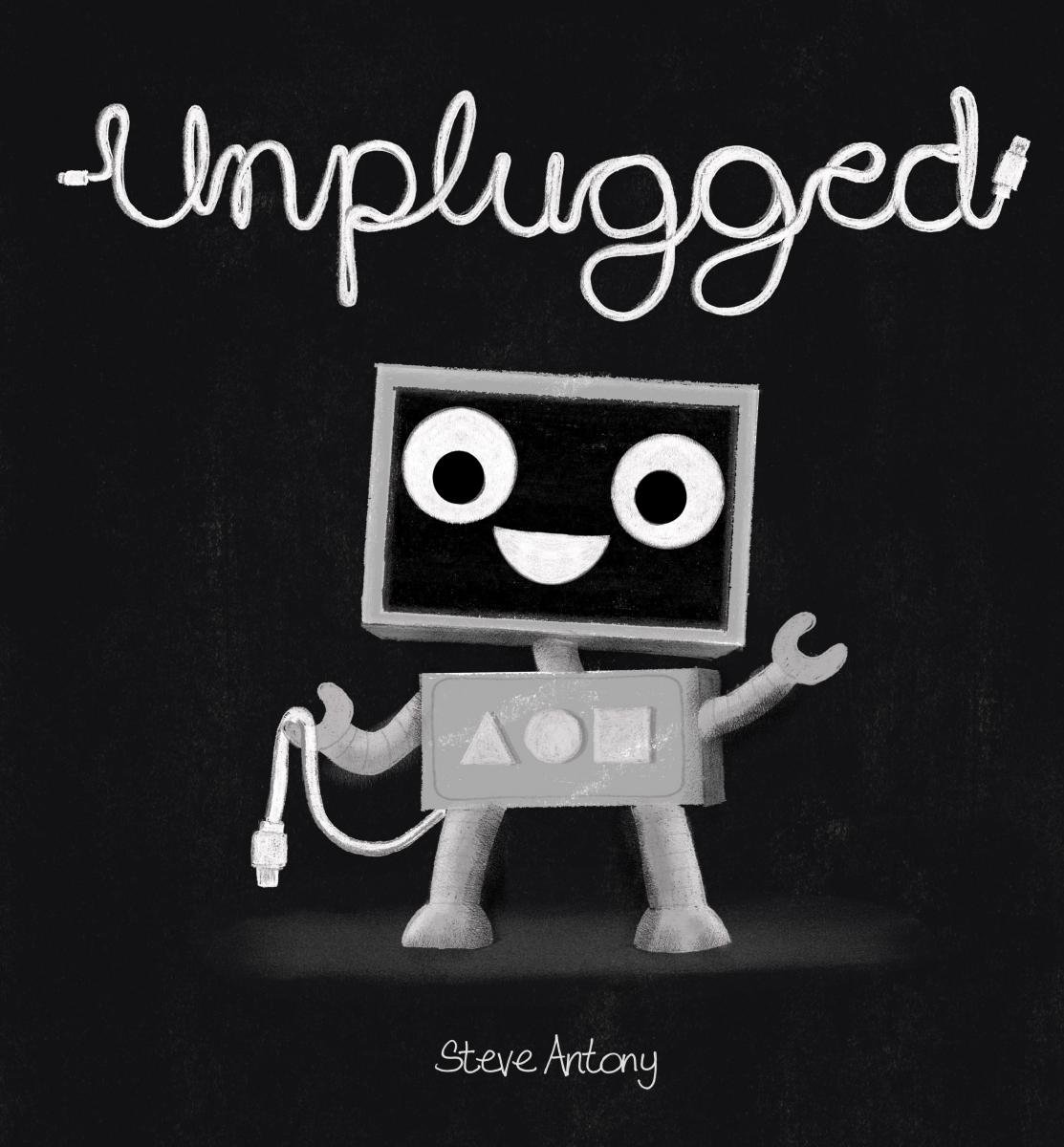
Recently a fourth grade teacher invited me to her class to read aloud to her students. When I asked if there was a specific theme she’d like, she mentioned that after a year online her…
What is the most banned book in the world?
Books get banned for all sorts of reasons. An individual or even community might find the language of a book to be vulgar, so they will challenge it. In various books there might be themes…
What Picture Book Would You Choose for Relationships and Communication?
Recently I was invited to a second grade class for a read aloud. I always like to ask the teacher if there’s a special theme they would like to me to read about when I…
How do you host a book club during social distancing?
Unfortunately, book club meetings have suffered during the pandemic. There’s always Zoom, but some people are Zoomed out by the time discussing a book comes along. In my community, the consensus was to wait until…
What’s your favorite book?
Oh goodness! I get asked this question A LOT! And it’s such an unfair question. I mean how could I have just ONE favorite book: it’s impossible! Rather the question should be, “What’s ONE of…
What criteria do you use for audiobooks?
I really, really love to listen to a good book. For one, I try to listen while walking, so it gets me out for a bit of exercise. Also, I make exceptions when the book…
Do you use Goodreads?
I figured it was about time I share how I choose books to read. I am a librarian after all; lucky for me, books happily occupy much of my day. I’m always reading some book,…
What did you read this Spring, 2019?
BOOKS Out of all the books I read in the last two months, two were completely remarkable. I intentionally choose the word remarkable because I’m still thinking about both of these books. These titles were…
What was your favorite read this summer, 2017?
I read a book this summer that would normally not be a book I would read. It was so amazing I still can’t stop thinking about it. Ready Player On, by Ernest Cline is such a…
How do you start the beginning of the year?
Aside from welcoming the students back for their new school year, I like to start with a promotion highlighting my most favorite read: in this case Ready Player One by Ernest Cline. The first…