What’s a good book to get me back to reading again?
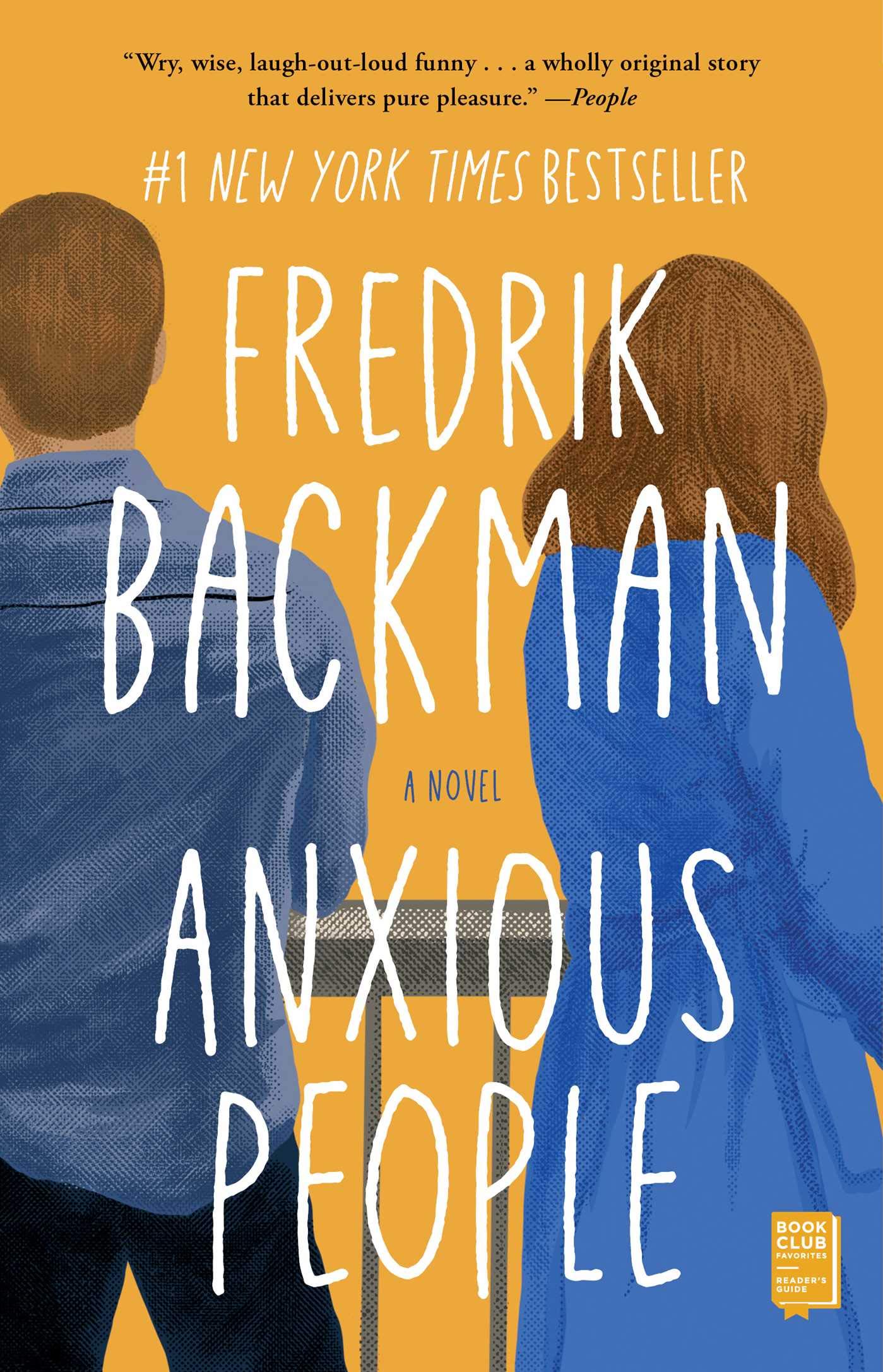
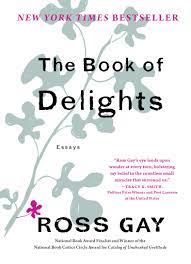
Oooh, this is such a great question. I too have had my share of reading slumps. They’re the worst! Sometimes I’m just not in the mood. Other times I have just finished such an amazing…
Have you read all the books in the library?
You would be surprised by how many times I am asked this question. The answer is NO WAY! That would be impossible. Unfortunately for me, I am the slowest reader ever. Not to mention the…
What’s a good read aloud to build community?
Recently a fourth grade teacher invited me to her class to read aloud to her students. When I asked if there was a specific theme she’d like, she mentioned that after a year online her…
What is the most banned book in the world?
Books get banned for all sorts of reasons. An individual or even community might find the language of a book to be vulgar, so they will challenge it. In various books there might be themes…
What Picture Book Would You Choose for Relationships and Communication?
Recently I was invited to a second grade class for a read aloud. I always like to ask the teacher if there’s a special theme they would like to me to read about when I…
What’s your favorite book?
Oh goodness! I get asked this question A LOT! And it’s such an unfair question. I mean how could I have just ONE favorite book: it’s impossible! Rather the question should be, “What’s ONE of…
What criteria do you use for audiobooks?
I really, really love to listen to a good book. For one, I try to listen while walking, so it gets me out for a bit of exercise. Also, I make exceptions when the book…
Do you use Goodreads?
I figured it was about time I share how I choose books to read. I am a librarian after all; lucky for me, books happily occupy much of my day. I’m always reading some book,…
What did you read this Spring, 2019?
BOOKS Out of all the books I read in the last two months, two were completely remarkable. I intentionally choose the word remarkable because I’m still thinking about both of these books. These titles were…
What was your favorite read this summer, 2017?
I read a book this summer that would normally not be a book I would read. It was so amazing I still can’t stop thinking about it. Ready Player On, by Ernest Cline is such a…